Roof Grease Containment: How DFW Restaurants Protect Their Roofs and Pass Fire Inspections
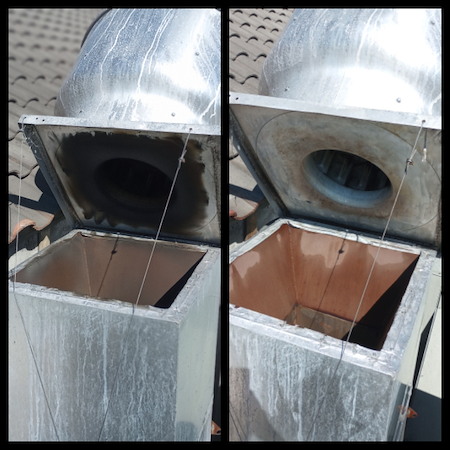
Busy kitchens across Fort Worth move fast, and so do the exhaust fans pulling vapors out of the building. Without solid roof grease containment systems, that vapor can condense into grease that pools on the roof. In our North Texas heat and sudden storms, small leaks turn into stains, soft spots, and safety risks. This guide explains how restaurants in Fort Worth and the greater DFW area use roof grease control to protect their buildings, lower fire risk, and stay ready for inspections.
When people talk about city approvals and inspections, they usually point to national standards for commercial kitchen exhaust. You do not need to memorize code language to stay compliant. What you do need is a clear plan for capture, cleaning, and documentation handled by trained pros.
Why Grease Reaches Your Roof In The First Place
Grease starts as vapor from fryers, griddles, and charbroilers. The hood captures it, the duct carries it, and the fan discharges air on the roof. As that vapor cools, it turns back into liquid and solid fats. If your fan lacks proper containment, wind and rain spread the residue. Over time it seeps under membranes, ruins coatings, and creates slip zones around access paths.
In Fort Worth neighborhoods like West 7th, the Stockyards, and Near Southside, many restaurants are in older buildings with varied roof pitches. That makes smart placement of trays, pads, and gutters even more important.
Top Risks Of Uncontrolled Rooftop Grease
Unmanaged rooftop grease threatens safety, roofing, and inspections. Here are the big ones:
- Fire risk rises when grease accumulates near hot fan housings or electrical components.
- Roof damage accelerates as fats and oils soften single-ply membranes and degrade coatings.
- Slip and fall exposure grows when staff or contractors access the roof in wet or windy weather.
- Inspection problems appear when stains, runoff, or clogged drains are visible from the access hatch.
Never let grease pool on a roof surface. It spreads faster than you think, especially after a heavy summer downpour.
What A Roof Grease Containment System Includes
Modern systems are simple, durable, and built to stop spread at the source. Most setups combine several parts that work together.
- Grease catchers or gutters that mount under or around the fan discharge.
- Absorbent pads and hydrophobic filters that trap fats while letting water pass.
- Splash guards and diverters that keep runoff from seams, drains, and parapet walls.
- Neutralizing media or lined trays that resist oil breakdown and Texas sun.
- Secure brackets and lids that survive hail and high winds common in Tarrant County.
If your system is aging or undersized, a professional can right-size it to your fan output and menu volume. Many Fort Worth concepts with heavy fryer use need larger capacity during peak patio season.
Local Factors That Make DFW Roofs Vulnerable
North Texas weather challenges even good roofs. Summer heat thins grease so it travels farther. Spring storms push residue into drains. Occasional freeze events harden buildups that later crack membranes when temperatures swing. In corridors like Camp Bowie and Alliance, open exposures mean more wind-driven spread across rooftops.
Because Fort Worth often sees large day-night temperature swings, seals and gaskets around rooftop fans can loosen over time. Regular checks and quick swaps of worn parts keep the system tight.
Maintenance That Keeps You Inspection-Ready
You do not need to do this yourself. A trained team sets a predictable rhythm that fits your cooking load and seasons. Many kitchens pair service with hood cleanings or off-peak hours to avoid disruption. Aim for a plan that includes inspection, media changeouts, and surface cleaning before buildup becomes visible.
Schedule inspections before busy months like May and September. Summer rush and football season bring volume spikes that can overwhelm small trays and pads.
How Pressure Washing Supports Compliance And Longevity
Grease containment stops spread, but residue still needs safe removal. A qualified pressure washing provider understands roofing materials, low-pressure settings, and the right detergents. The goal is a clean, undamaged surface with controlled wastewater handling. That protects the roof warranty and prevents stains that catch an inspector’s eye.
For system upgrades or routine service, many Fort Worth operators rely on dedicated roof grease containment systems specialists who also coordinate cleaning. Pairing both tasks limits rooftop trips and reduces risk for your staff.
Simple Signals Your Roof Needs Attention
Catch small issues before they become citations or leaks. If any of these sound familiar, book a service visit:
Dark streaks trailing from the fan base, musty odors near roof hatches, soft spots underfoot on single-ply roofs, or absorbent pads that look saturated within days. Restaurants near dusty corridors like the Stockyards also see grime bind with oil, making stains tougher to remove the longer they sit.
Documentation That Makes Inspections Smoother
Inspectors want to see a safe, well-kept setup. You can help your team stay organized without adding busywork. Ask your provider for simple records you can store in a binder or shared folder.
- Service logs with dates, findings, and photos of the fan area and nearby roof membrane.
- Media replacement notes that show absorbent pads and filters were changed on schedule.
- Before-and-after cleaning images that prove safe methods and proper wastewater handling.
- Equipment model and serial numbers for fan units, plus any gasket or lid swaps.
Document every rooftop visit even if nothing was changed. A clean paper trail shows ongoing care, which supports a smooth inspection conversation.
Choosing The Right Partner In Fort Worth
Look for a local team with commercial kitchen experience, not just general exterior cleaning. Ask how they protect single-ply membranes, what detergents they use, and how they keep grease out of drains. Request a roof walk with photo notes so you can see conditions without climbing a ladder.
It helps to review training and safety practices as well. Crews should use roof-safe footwear, fall protection as needed, and controlled wash techniques that respect nearby HVAC units and electrical lines.
How Service Plans Typically Work
Plans are customized to your menu, fan output, and hours. Frequency varies by season and cooking volume. High-output kitchens in areas like Hulen or the TCU district often increase visits during school terms and major event weeks.
An effective plan usually includes:
- Routine system checks to confirm trays are secure and pads are not saturated.
- Proactive changeouts of absorbent materials before peak weekends and holidays.
- Low-pressure rinses and targeted degreasing that protect roof membranes.
- Photo documentation after each visit and a simple summary you can keep on file.
For added clarity between visits, many managers bookmark practical cleaning tips so new staff understand why rooftop containment matters and who to call if something looks off.
Connecting Roof Care To Your Bigger Safety Picture
Rooftop grease is just one link in your safety chain. When your hood, ducts, fan, and roof containment work together, you cut risk and make inspections straightforward. The best time to tighten that chain is before summer heat or a holiday rush. If you have multiple locations across Dallas and Fort Worth, align your logs so each store follows the same simple process.
Link your broader safety plan back to a trusted partner. For example, many local operators start at the homepage to learn about roof grease containment Fort Worth services, then schedule a roof walk and assessment.
Signs Your System Is Undersized Or Out Of Date
If your pads saturate quickly, or stains reappear after every storm, your containment may be undersized. Older fans can also toss mist beyond small trays. Heavy fried menus or seasonal pop-ups increase load more than you might expect. A short review of capacity, media type, and wind exposure solves many of these headaches.
Use containment materials rated for rooftop UV and heat. Cheaper options may break down faster under Texas sun and add debris to your drains.
A Fort Worth Approach That Works
Success comes from steady, local routines. Plan for heat, wind, and hail. Prepare documentation that travels easily from back office to rooftop. Keep one contact who understands your buildings and cooking profile. With that in place, your roof stays protected and inspections feel predictable.
Applied Pressure Services Inc. is a local pressure washing team that focuses on commercial kitchens and roof protection. We help restaurants in Fort Worth, the Stockyards, Sundance Square, and beyond set up, service, and document systems the right way.
Ready To Protect Your Roof And Pass The Next Inspection
If you want a quick assessment, schedule a roof walk with photo notes and a simple plan. Our team can review capacity, swap media, and clean problem areas without disrupting service. To learn how our roof grease containment systems service fits your kitchen, call 817-687-9046 or reach out to Applied Pressure Services Inc. today in DFW.
Book ahead of peak seasons so your roof is protected before the next heat wave or holiday rush hits DFW.
Call Now for Expert Pressure Washing & Kitchen Exhaust Cleaning Across Dallas-Fort Worth, Austin & San AntonioLet Us Keep Your Property Clean And Safe!